
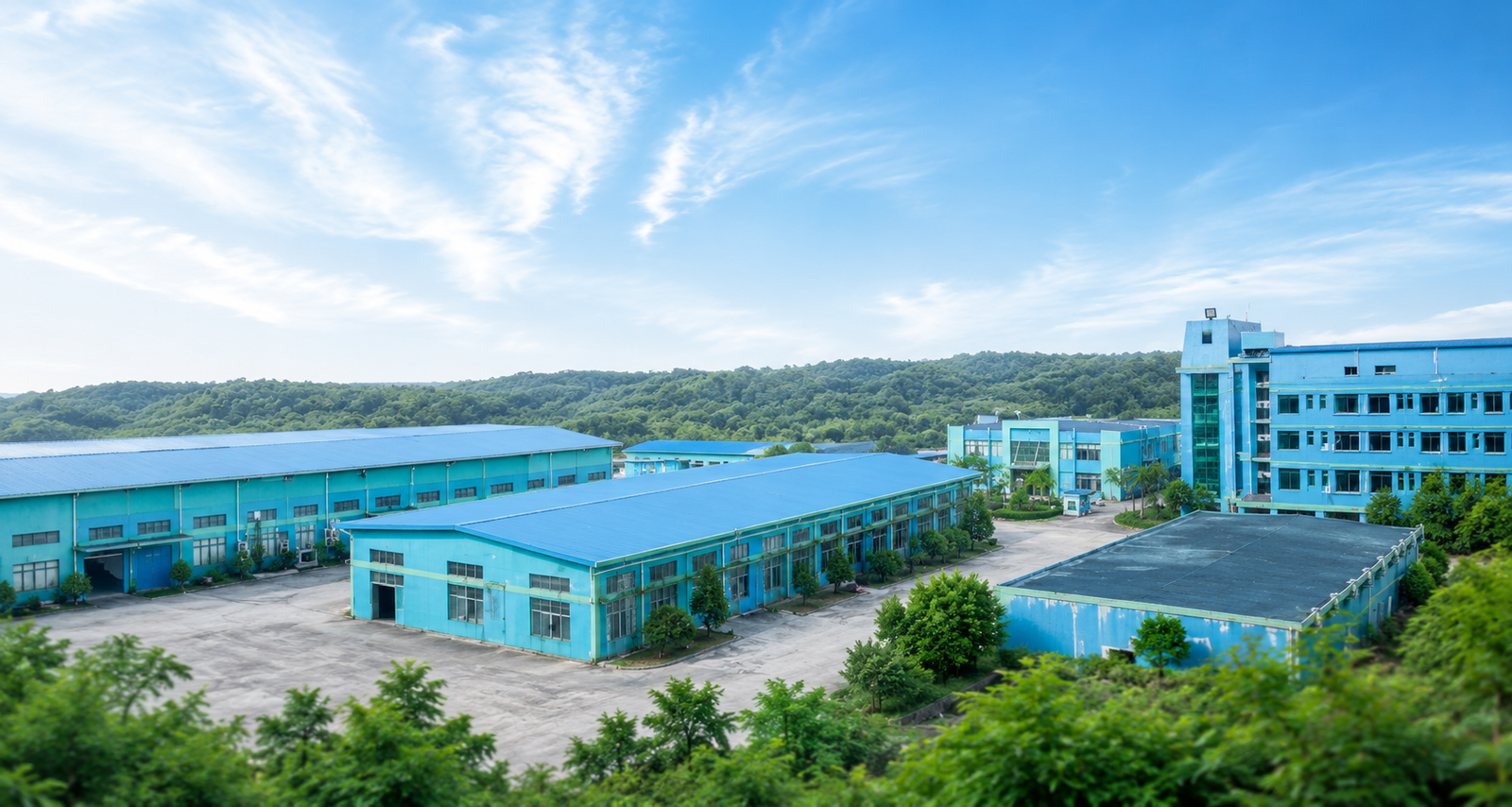
Technical reference based on an actual production evaluation of Taiyada HD-7240 Dry Film Photoresist.
In PCB manufacturing, dry film photoresist performance depends not only on the quality of the photoresist itself, but also on how well the entire production process is controlled. Surface preparation, lamination temperature, exposure energy, developing conditions and stripping performance can all affect circuit resolution, adhesion and production stability.
Based on an actual production evaluation of Taiyada HD-7240 Dry Film Photoresist, this article explains several important process parameters that PCB manufacturers should pay attention to when using dry film photoresist.
1. Why Dry Film Process Control Matters
Dry film photoresist is one of the key materials used in PCB circuit imaging. For high-density PCB production, the dry film needs to provide good adhesion to the copper surface while maintaining sufficient imaging resolution and stable development performance.
Taiyada HD-7240 is designed with several characteristics for PCB production:
- Good adhesion and resolution for high-density printed circuit boards
- High photosensitivity with relatively low exposure energy
- Fast developing performance
- Small film fragments during stripping, helping improve production efficiency
2. Surface Preparation Before Lamination
Good surface preparation is essential for dry film adhesion. Before lamination, the copper surface should be clean and uniform. Contamination, oxidation, moisture or unsuitable surface roughness can negatively affect adhesion and may contribute to lifting or peeling during subsequent processing.
| Process Parameter | Test Condition | Suggested Range |
|---|---|---|
| Surface preparation line speed | 2.2 m/min | 2.5–3.0 m/min |
| Drying temperature | 85°C | 80–90°C |
| Upper washing pressure | 1.5 kg/cm² | 1.0–1.5 kg/cm² |
| Lower washing pressure | 1.5 kg/cm² | 1.0–1.5 kg/cm² |
The abrasion-mark test recorded approximately 8–12 cm for both the upper and lower brushing sections, while the water-break test result was ≥15 seconds. These checks provide useful information about whether the copper surface preparation is suitable before dry film lamination.
3. Lamination Parameters
Lamination is another critical stage. The objective is to achieve uniform contact between the dry film and copper surface without introducing poor adhesion or process instability.
| Lamination Parameter | Test Condition | Suggested Range |
|---|---|---|
| Lamination speed | 2.6 m/min | 1.5–2.0 m/min |
| Upper hot-roll temperature | 105°C | 100–120°C |
| Lower hot-roll temperature | 105°C | 100–120°C |
| Board inlet temperature | 38°C | 30–40°C |
| Board outlet temperature | 55°C | 50–65°C |
| Air pressure | 4 kg/cm² | 4–6 kg/cm² |
The recorded lamination speed during this test was 2.6 m/min, while the suggested reference range in the source report was 1.5–2.0 m/min. The other major temperature and pressure parameters remained within the documented suggested ranges. This illustrates why process optimization should be based on actual production results rather than adjusting one parameter independently.
4. Exposure Energy Control
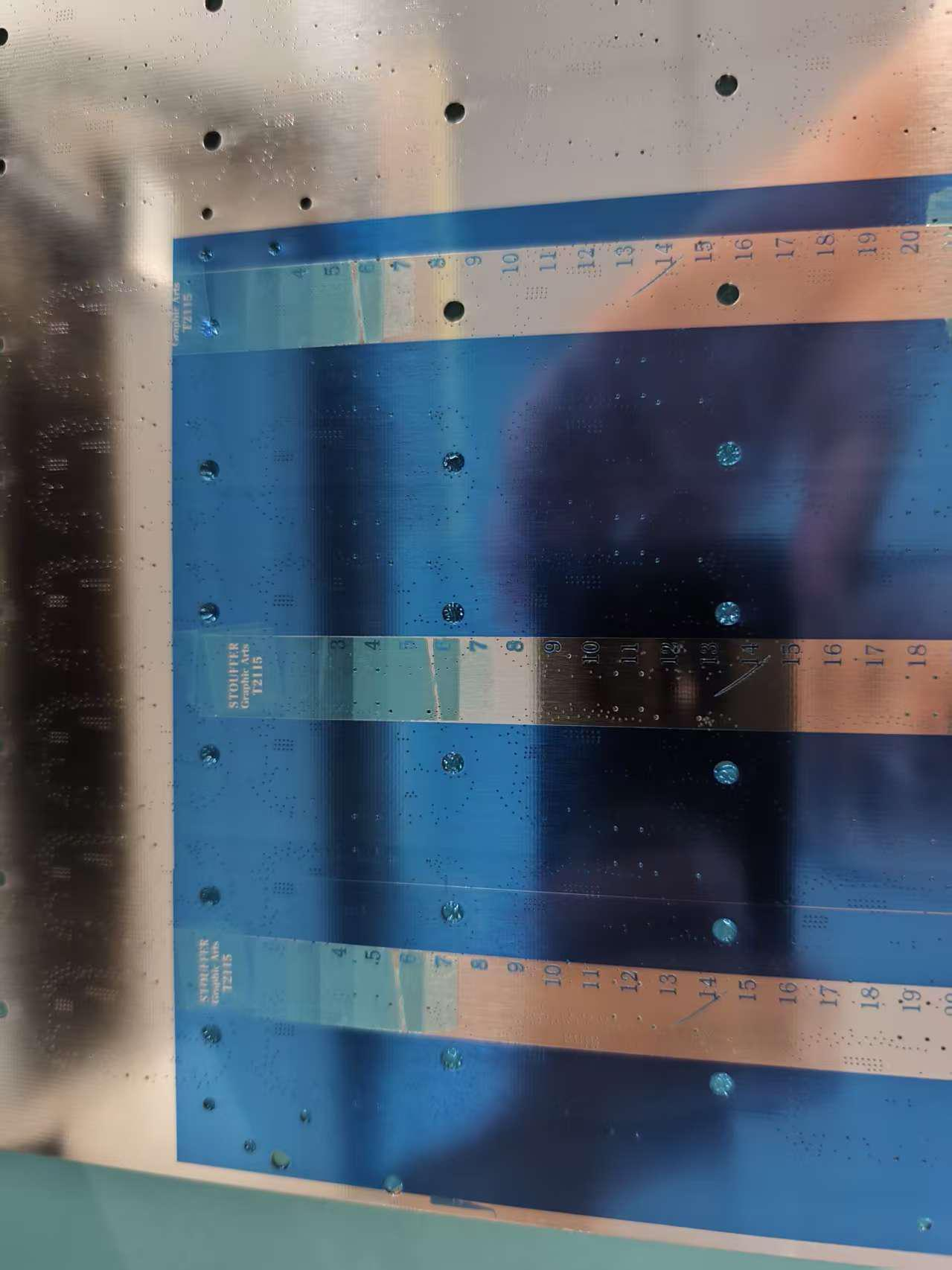
Correct exposure is essential for achieving stable circuit imaging and maintaining good adhesion during development and subsequent processing. In this production test, a 21-step exposure scale was used to evaluate exposure conditions. HD-7240 achieved a reading of 7 steps, within the documented suggested operating range of 6–8 steps.
5. How to Evaluate the Developing Point
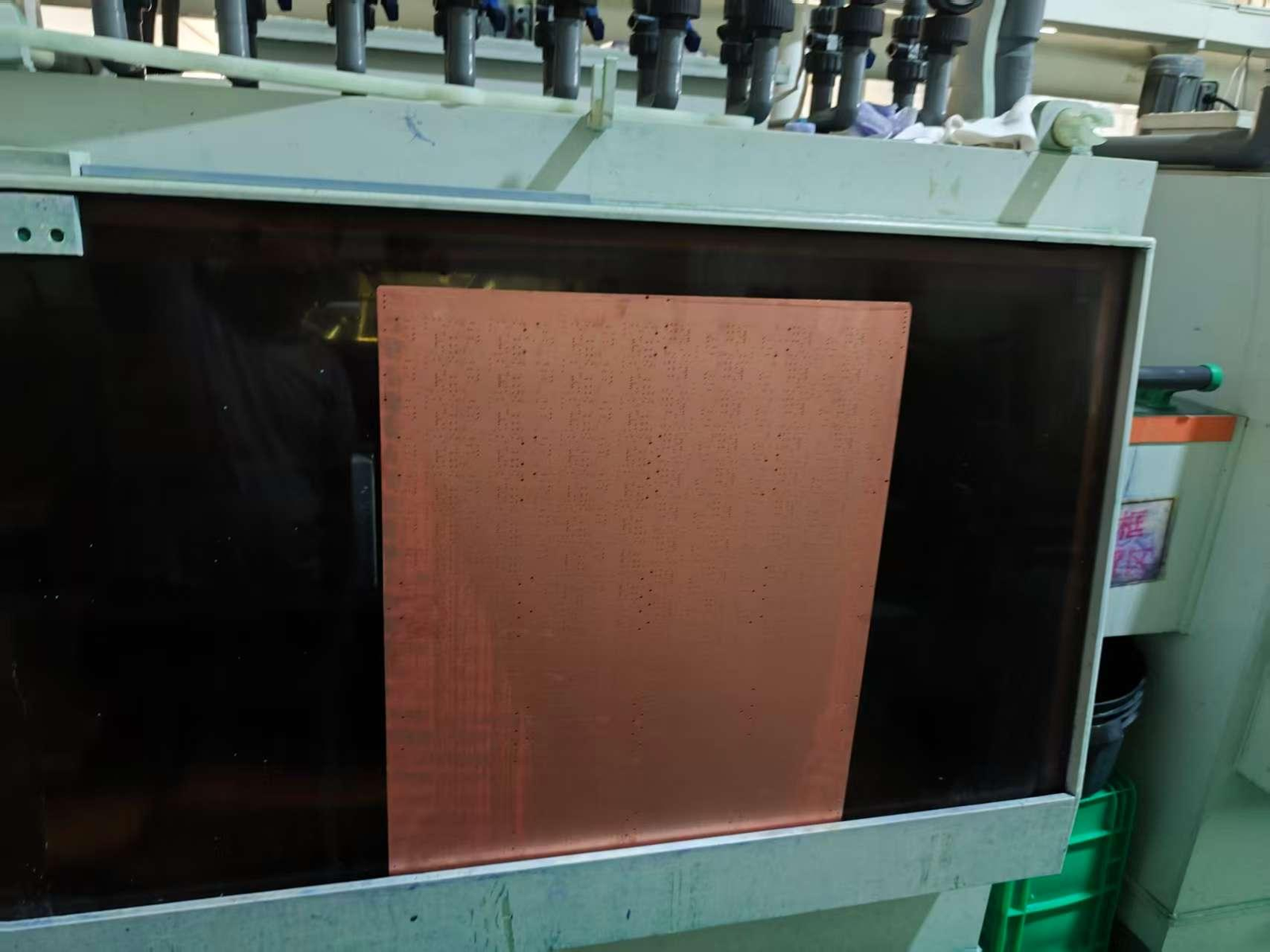
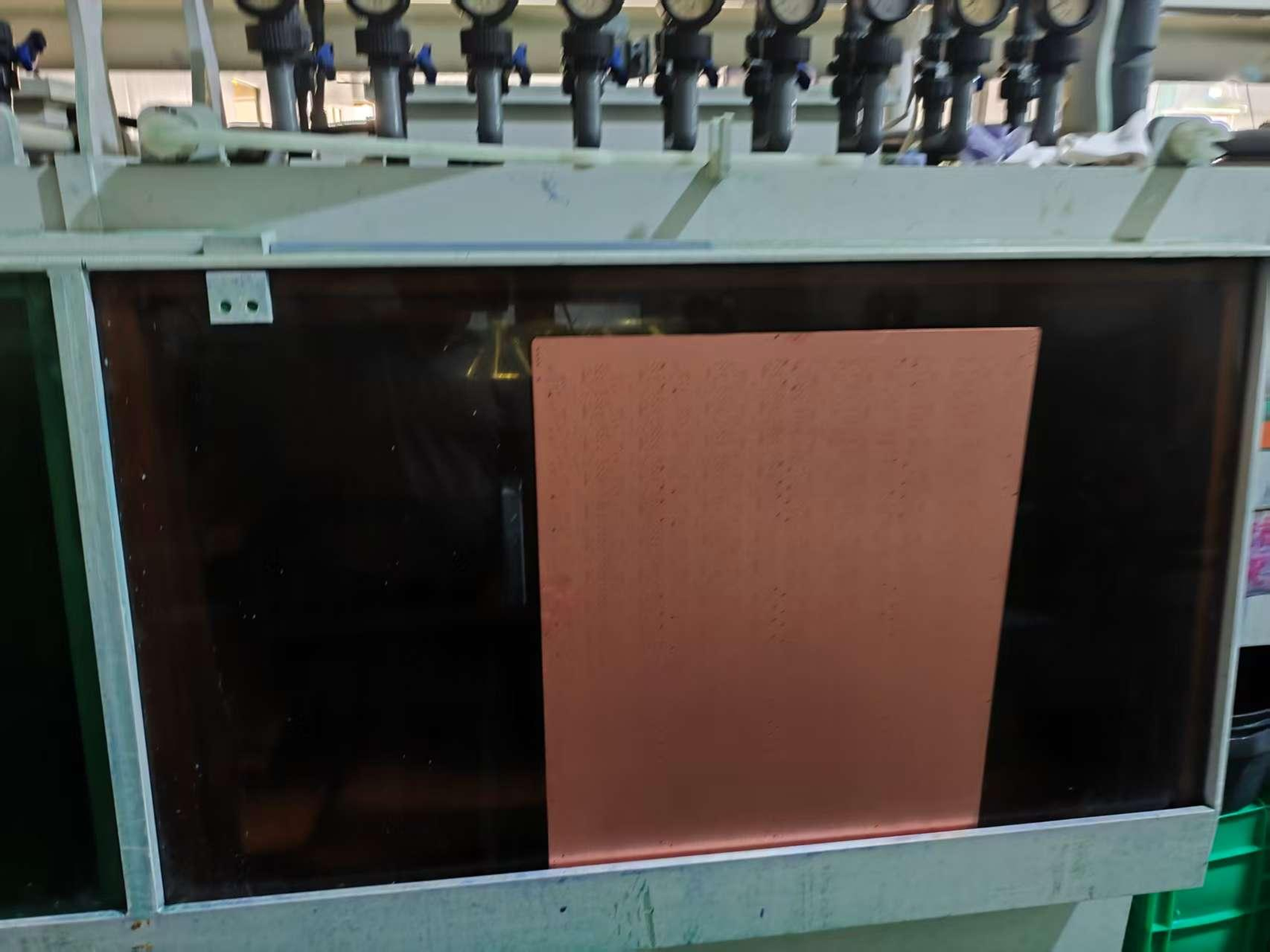
The developing point is another important parameter in dry film processing. During the test, several laminated but unexposed boards were used to evaluate the developing condition. The boards were placed continuously into the developing machine. When the first board exited the developing chamber, the developing spray was stopped while washing and conveyor movement continued. The cleaned portion of the board was then observed to calculate the developing point.
Under the recorded test conditions, the developing-point results were 40% on the upper side and 40% on the lower side. The report gives a suggested operating range of 40–60%.
6. Recommended Developing Conditions
| Developing Parameter | Test Condition | Suggested Range |
|---|---|---|
| Developing speed | 3.5 m/min | — |
| Upper developing point | 40% | 40–60% |
| Lower developing point | 40% | 40–60% |
| Upper spray pressure | 1.5 kg/cm² | 1.0–1.5 kg/cm² |
| Lower spray pressure | 1.5 kg/cm² | 1.0–1.5 kg/cm² |
| Na₂CO₃ concentration | 1.0% | 0.8%–1.2% |
| Developing temperature | 30°C | 28–32°C |
| Drying temperature | 55°C | 45–60°C |
These values should be treated as process references rather than universal settings, because different PCB factories may use different equipment configurations, line speeds, spray systems and production requirements.
7. Production Verification Results
A dry film should ultimately be evaluated under actual production conditions. During the production verification from August 5 to August 10, the following PCB models were processed:
| PCB Model | Quantity |
|---|---|
| 43432 | 86 panels |
| 43208 | 28 panels |
| 40547 | 10 panels |
| 35124 | 72 panels |
| Total | 196 panels |
According to the follow-up report, no quality abnormalities were identified during the tested production, and the dry film material was considered capable of meeting the production conditions and quality requirements of the evaluated process.
The report also noted that the stripping section was relatively short and recommended controlling the stripping solution condition, with a replacement interval of around four days in that specific production environment to help avoid incomplete stripping.
8. Dry Film Storage Is Also Important
Even good dry film can experience performance problems if it is stored incorrectly. For the HD-7240 material covered in this evaluation, the documented storage conditions are 5–20°C and 40–60% RH. After opening the package, the roll should be protected from light using black wrapping material and stored horizontally. The report specifically states that vertical storage and stacking should be avoided.
Conclusion
Stable dry film photoresist performance is the result of both material quality and process control. Surface preparation, lamination, exposure and development should therefore be evaluated as one complete system rather than as independent production steps.
The HD-7240 production evaluation demonstrates how parameters such as surface preparation, hot-roll temperature, exposure scale, developing point, sodium carbonate concentration and spray pressure can be monitored during actual PCB manufacturing.
For PCB manufacturers experiencing poor adhesion, incomplete development, film lifting, unstable imaging or incomplete stripping, reviewing these process parameters can be an important part of troubleshooting.
Technical Support and Product Samples
Guangdong Taiyada Optoelectronics Co., Ltd. supplies dry film photoresist for PCB manufacturing and provides technical support based on customers’ equipment, process conditions and circuit requirements.
Website: dryfilmtech.com | Email: dryfilmtech@gmail.com
Source note: Technical parameters and production observations in this article are adapted from the Taiyada HD-7240 production follow-up service report dated August 10, 2026. Values are reference conditions from that evaluation and should be optimized for each production line.